About the Museum

MoSFA is the principal museum for shrimp-folk visual culture, set where Central Reef's western promenades turn toward the tidal gardens.

The collection brings temple fragments, civic portraiture, print rooms, poster archives, design objects, modernist experiments, and contemporary image culture into one public record of shrimp-folk art.

From its New Atlantis galleries, the museum preserves works shaped by shell architecture, reef-city memory, ritual practice, public labor, current systems, and the long study of form.

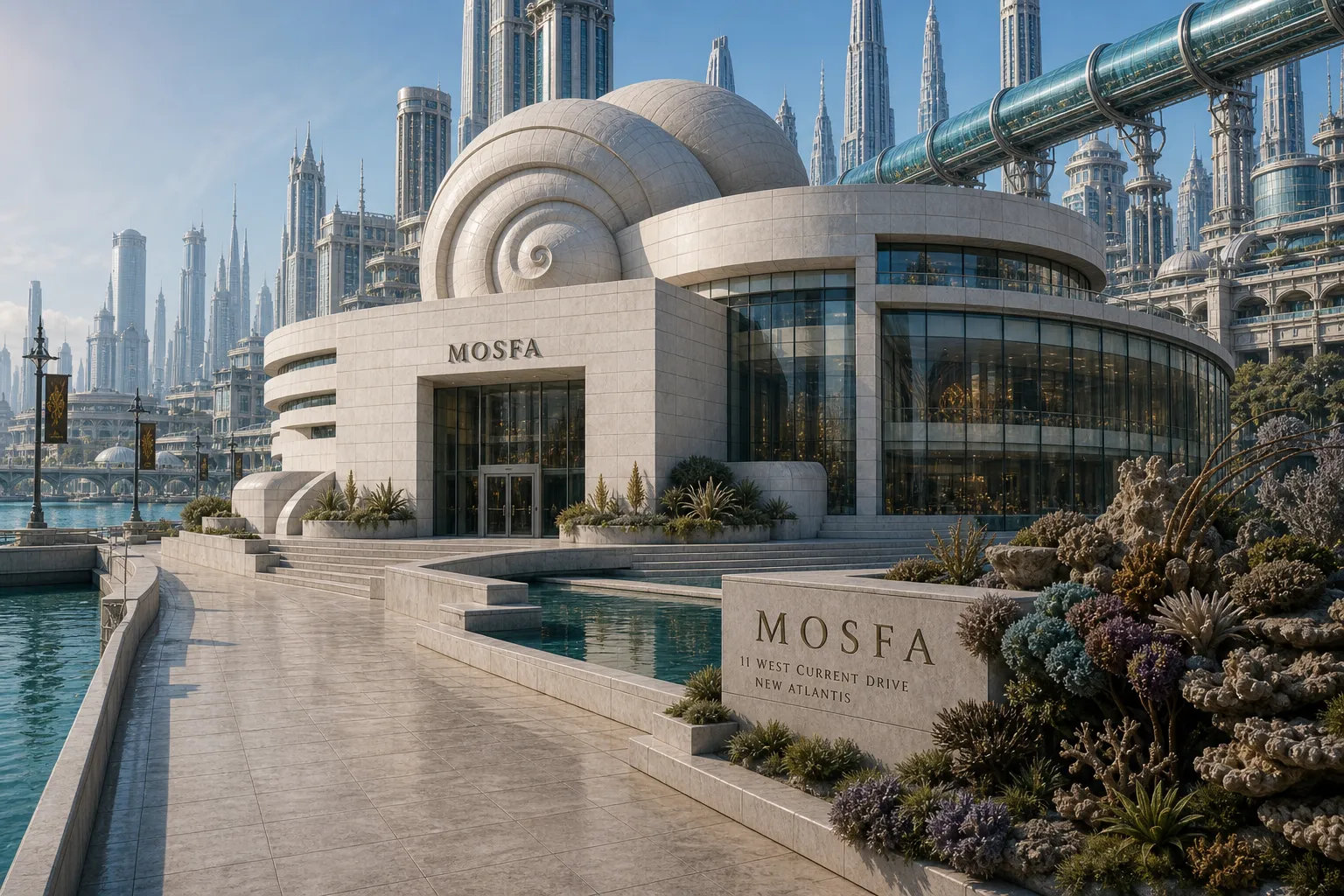
The MoSFA building on Central Reef in New Atlantis, with pale museum architecture, wet civic paving, reef gardens, and city towers beyond.
The museum's pale shell-concrete galleries face the reef gardens, with New Atlantis rising beyond the civic waterline.

Leadership

MoSFA is led by scholars, conservators, and administrators whose work connects the museum's public galleries with the civic archives, university collections, and tide-room laboratories of New Atlantis.

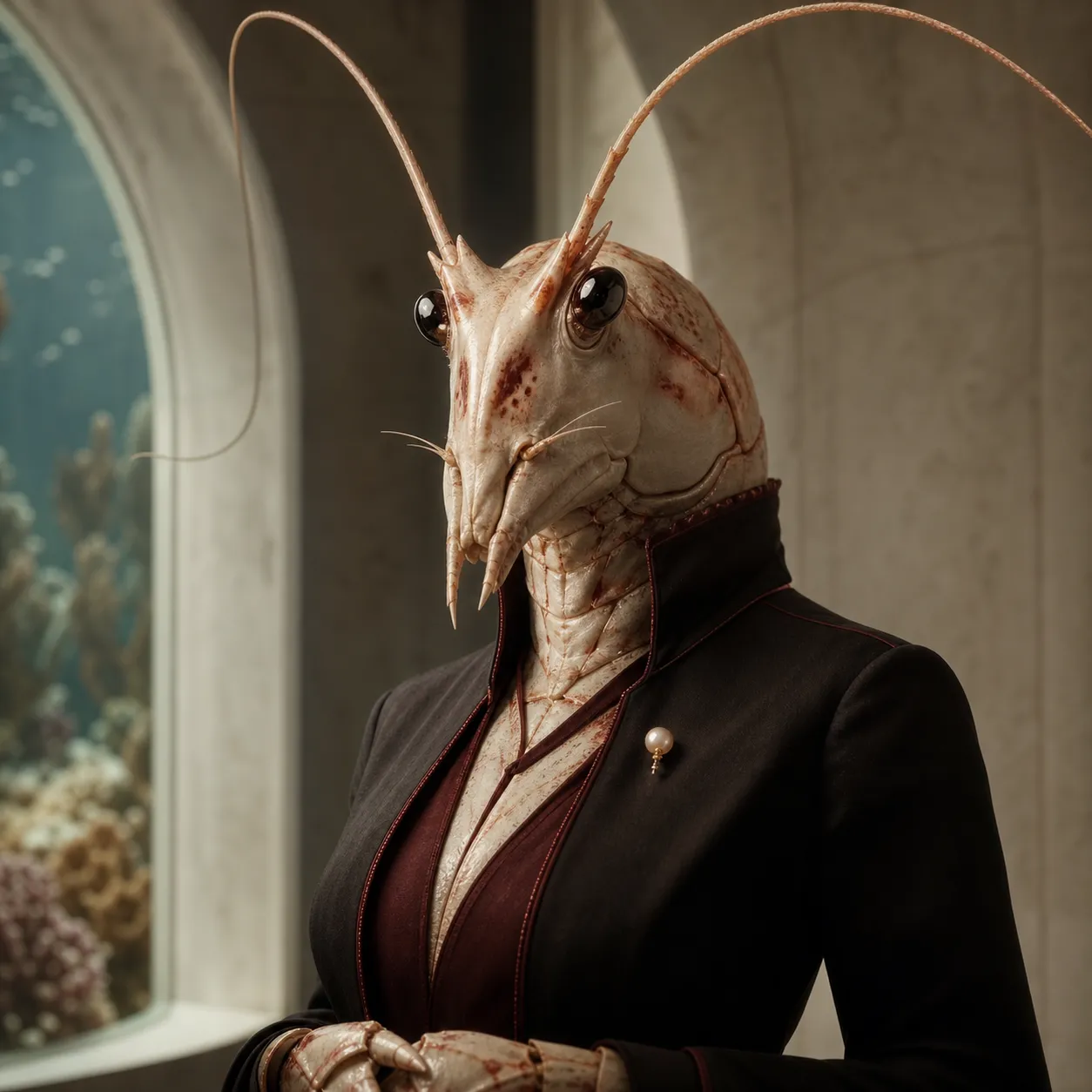
Dr. Maera Vell, a shrimp-folk museum director in a formal dark jacket, standing beside pressure glass and reef gardens.

Dr. Maera Vell

Director

Dr. Vell was educated at New Atlantis University and the Pelagic Academy of Civic Arts before completing her doctoral work on public portraiture after the Third Current Accord. Before arriving at MoSFA, she led Upper Reef Contemporary through its tide-room expansion and chaired the civic committee that moved the museum into its 11 West Current Drive home.
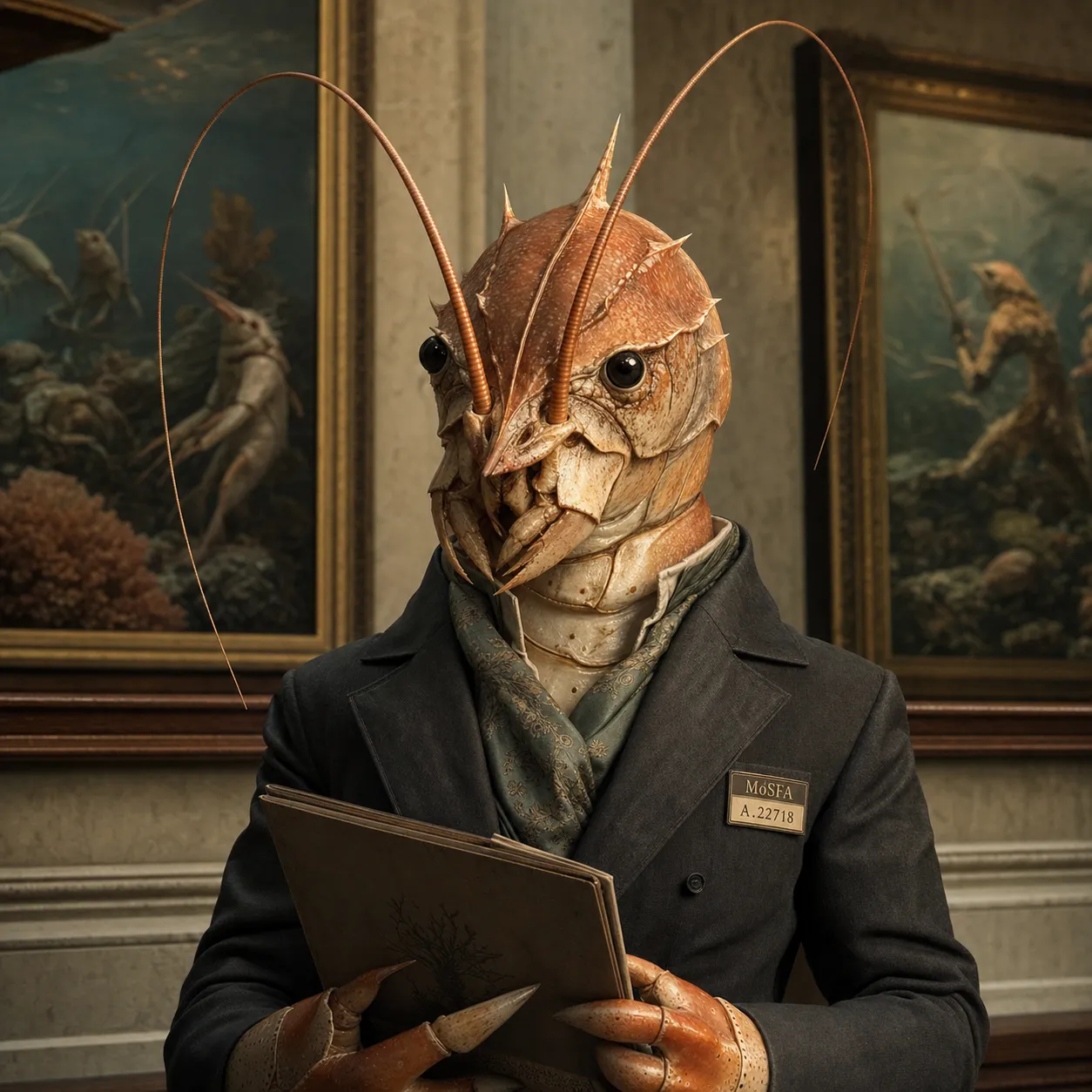
Edrin Sal, a shrimp-folk curator holding an archival folder in a gallery of reef paintings.

Edrin Sal

Chief Curator

Sal trained in comparative reef iconography at the College of the Lower Shoal and later held a Shell Foundation fellowship in old-master current studies. His exhibitions include Old Masters Current Wall and The Laboring Claw, a sober reassessment of civic work images and their reception in New Atlantis public life.

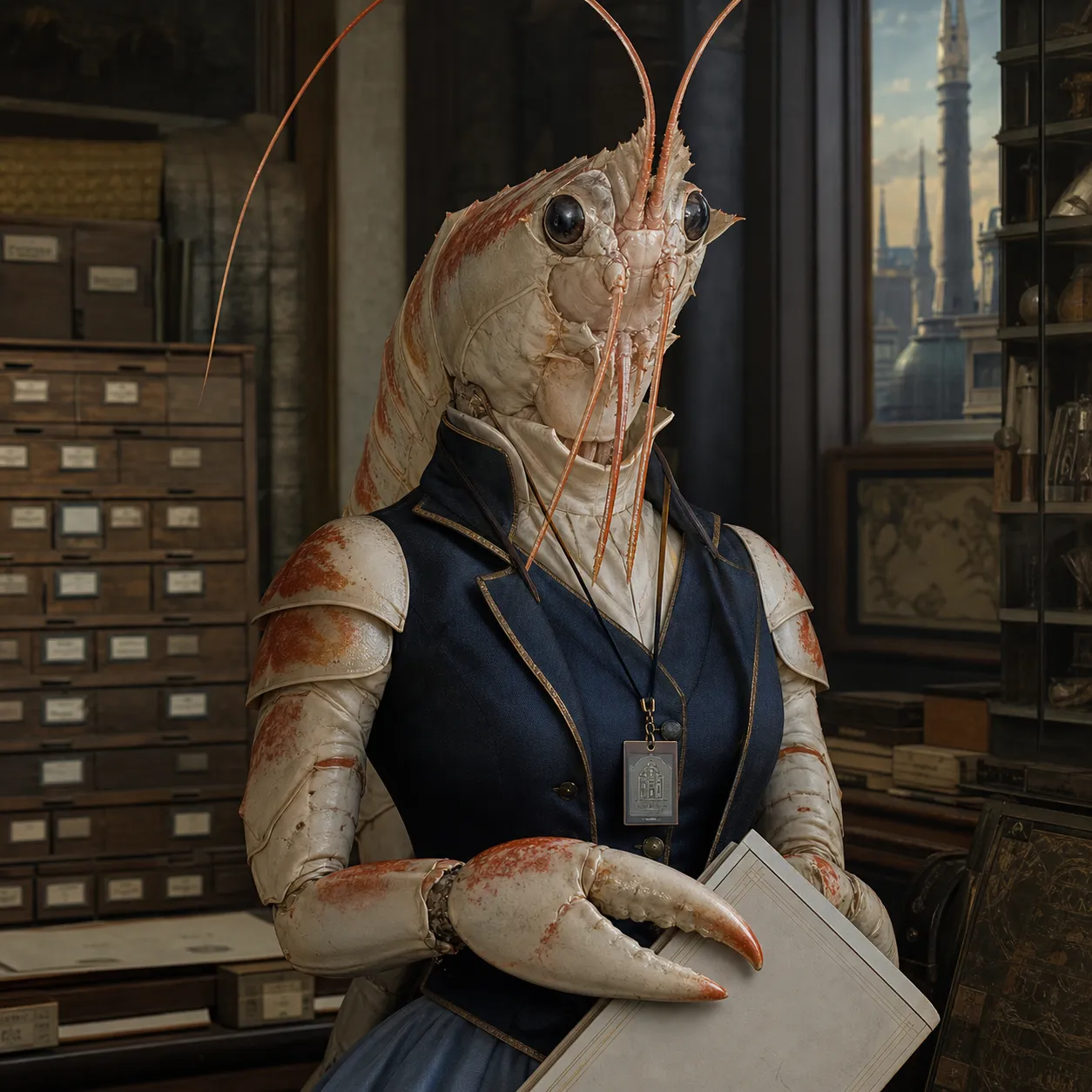
Tova Nerit, a shrimp-folk collections executive in an ink-blue jacket, holding a ledger in an archive room.

Tova Nerit

Deputy Director for Collections and Research

Nerit oversees provenance, acquisitions, and the museum archive. A graduate of Central Reef University and the Neritic Gate Survey School, she previously organized the Pearl Shoals catalogue raisonne and rebuilt the museum's collections ledger so that wet-room, dry-room, and pressure-glass records finally agree with one another.

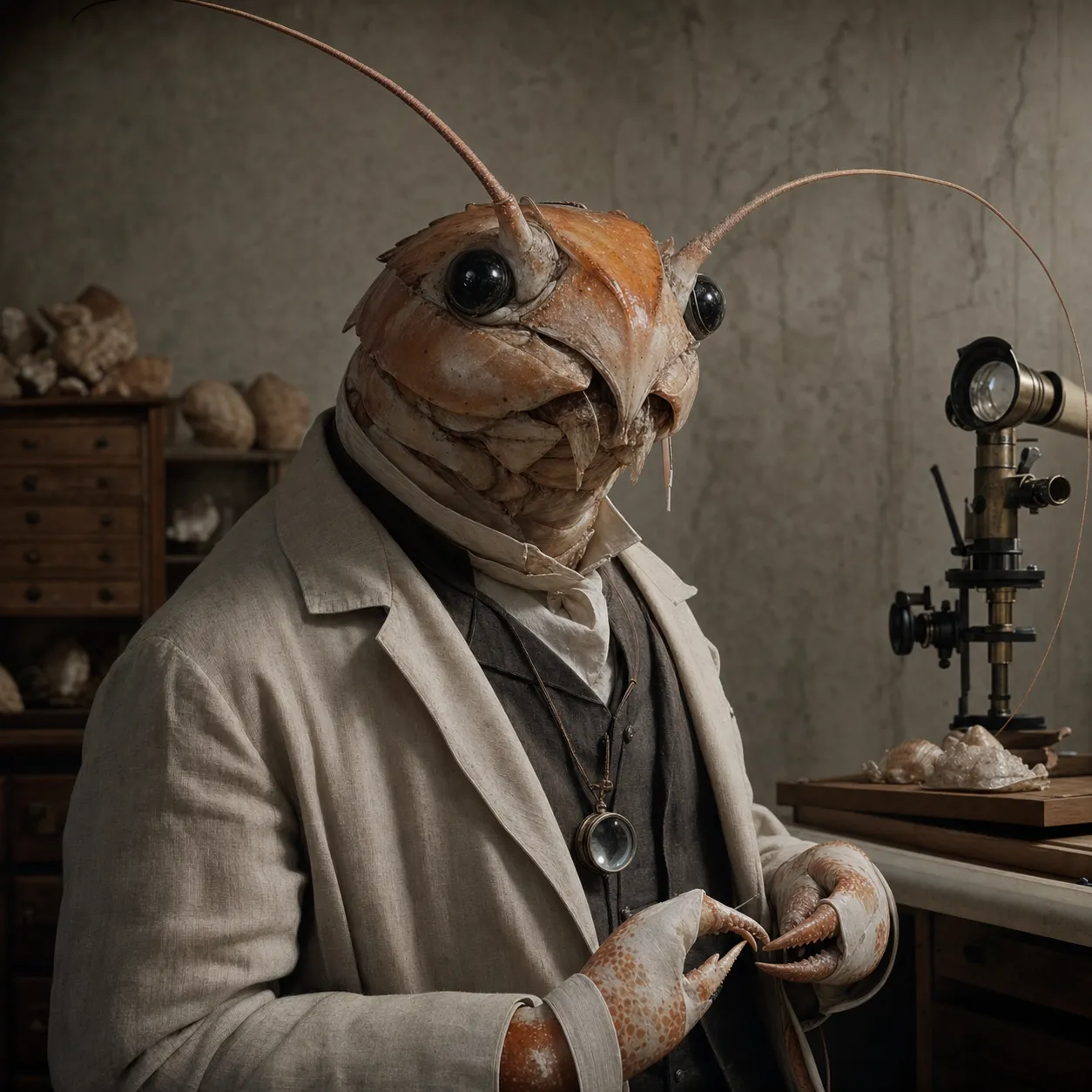
Lysander Brack, an older shrimp-folk conservator in a linen conservation coat beside studio instruments.

Lysander Brack

Chief Conservator and Keeper of Tidal Materials

Brack studied chitinous supports at the Brine School of Conservation and completed advanced training at the Submerged Paper Laboratory. His studio has stabilized tide-stained posters, pearl-bonded pigments, and the first-shell tablets from New Atlantis, usually while reminding curators that patina is evidence, not atmosphere.

Visit

Address
11 West Current Drive, Central Reef District, New Atlantis, NA 10024
Setting
Western edge of Central Reef, adjacent to the tidal gardens and civic promenade.
Collection
Ancient, old-master, modernist, popular, and contemporary shrimp-folk art.

Getting Here

Mass Transit
Take the Ultraviolet Line to Central Reef / West Current. The station exits directly onto the civic promenade, with dry-room access through the north doors and tide-room access one level below.
Ferries and Canals
The Pearl Shoals Ferry and Inner Reef canal boats stop at West Current Landing throughout public hours. Low-water visitors may use the promenade stairs; high-water visitors should follow the pressure-glass walkway to the museum vestibule.
Mooring
Short-stay boat mooring is available along the west basin on a first-come basis. Please leave the conservation quay clear for archive transfers, visiting school skiffs, and works arriving under sealed current.
Entrances
The main entrance at 11 West Current Drive is on the dry promenade. The Tidal Garden entrance opens during posted high-water hours and includes cloakroom hooks, shell lockers, and antenna-height screening.